20 Free Tips On Global Health and Safety Consultants Software
Wiki Article
The Whole Safety Ecosystem: Bridging On-Site Assessments With Digital Innovation
Over the years, health and safety management was a function of two separate worlds. There was the physical environment of the workplace--the noise the dust, the moving machines, the exhausted workers making decisions in split-seconds--and then there was the digital world of reports, spreadsheets as well as compliance records kept in remote offices. They rarely exchanged information. On-site assessments resulted in paper that was later converted into digital data however by the time that was over, the environment was changing, the workers were moving on and the information was outdated. The entire safety framework represents the collapse of this separation. The focus is not on digitizing procedures on paper, but about integrating digital intelligence into the framework of physical operations in order that every hammer hit or close miss every safety discussion generates data which enhances the next safety. This is called the ecosystem view and it is the basis for all changes.
1. The Ecosystem Incorporates Everything, Not Just Safety Systems
A true safety ecosystem does not be isolated from other business systems--it connects to them. It pulls information from HR systems concerning training completion and new hire induction. It also integrates with maintenance schedules in order to assess risk profiles for equipment. It is integrated with procurement to assess the safety performance of suppliers before contracts are signed. In the event of on-site evaluations, auditors and consultants don't see only the safety data that is isolated, but the full operational context. They can tell which machines require maintenance, which teams have had recent turnover and the contractors with poor records elsewhere. This holistic perspective transforms assessments from snapshots into highly contextualized insights.
2. Assessors on-site become Data Nodes, not Data Entry Clerks
In traditional models, the on-site assessor's primary job was data collection--observing conditions, interviewing workers, recording findings for later analysis elsewhere. Within the overall ecosystem, assessors are data nodes connected to an ever-growing network. They provide real-time screens that are visible to managers of operations Safety committees, as well as executive leadership all at once. An incident involving inadequate security for a press brake will never wait for an assessment report that is written and circulated the moment it's discovered; it's immediately on the maintenance manager's to-do list and the plant manager's weekly report. The assessor remains in loop, constantly consulted until the issues are addressed, not discarded after the report is filed.
3. Predictive Analytics Shift Focus from Past to Future
Ecosystems that blend historical assessment data with real-time operational data provide advanced predictive capabilities that aren't possible with siloed systems. Machine learning models discover patterns in the preceding events--certain combinations of conditions, certain times of morning, certain crew combinations--that human observers may miss. When consultants conduct on-site assessments and assessments, they're equipped with these predictions, identifying the areas where the likelihood of risk will be the greatest and focusing their attention on the area in which they are most likely to be at risk. Assessments shift from capturing the events that have occurred in order to prevent what might take place in the future.
4. Continuous Monitoring replaces periodic checking
The notion of an "annual assessment" can be discarded in a whole ecosystem. Sensors, wearables and connected tools provide continuous streams of safety-relevant data--air quality measurements, equipment vibration patterns, worker location and movement, noise levels, temperatures and humidity, and temperature. Assessments on the spot by humans are vital but their functions have changed: instead of assessing conditions at a specific interval, the assessors are able to interpret patterns within continuous data and investigate anomalies, validating sensors' readings and understanding the human motives behind the figures. The rhythm shifts from periodic examination to ongoing engagement.
5. Digital Twins Enable Remote Assessment and Plan
Digital twins, or digital replicas of physical workplaces that replicate real-time conditions. Safety experts can visit facilities from the comfort of their homes, checking digital representations that display how the equipment is performing, recent incident locations, ongoing maintenance tasks, as well as employee activities. This is a valuable feature in times of travel restrictions, but will be of value to all businesses across the globe. Consultants are able to conduct preliminary assessments remotely and then be deployed on-site only when physical presence creates an added value. Travel budgets are able to be stretched further but response times get shorter and expertise reaches more locations faster.
6. Worker Voices are directly integrated into Assessment Data
The most significant flaw in traditional safety assessments has always been the employee perspective. By the time observations reach assessors, they have passed through multiple filters--supervisors, managers, safety committees--that smooth away discomfort and dissent. Complete ecosystems incorporate direct input from workers: simple mobile tools to report concerns in a safe and anonymous manner, hazard reporting that is integrated within assessment work flows, and examination of safety conversation patterns from team discussions. When assessors are on site they know what employees have said, allowing them to validate patterns as well as probe deeper into perceived issues rather then starting with a blank slate.
7. Assessment Findings Auto-Populate Learning and Communication
In isolated systems, an evaluation findings about safety concerns with forklifts might result in a recommendation training. Then, the person must schedule for the training, alert affected workers, track their progress and assess its effectiveness. These are all distinct tasks that require efforts. In complete ecosystems, assessment findings cause automated workflows. If an assessor is able to identify some pattern of forklift close-misses the system will automatically identify the operators who have been affected as well as schedules refresher courses, adds safety concerns for forklifts onto the next toolbox talks agenda and notify supervisors to raise the number of observations. The finding does not just be recorded in a report, it generates action throughout connected systems.
8. Global Standards Adapt to Local Reality through feedback loops
Global safety standards usually fail due to the fact that they are created centrally and imposed locally without adjustment. A complete ecosystem creates feedback loops, which can help solve this issue. As local assessors work with global software frameworks to analyze their findings, their conclusions adjustments, modifications, and workarounds transfer to central standard-setters. Certain patterns emerge. This can cause issues for tropical climates. which means that a control measure isn't available for certain regions. This definition confuses people across many sites. Central standards change based on this operational intelligence, becoming stronger and more applicable with each assessment cycle.
9. Verification becomes continuous rather than Periodic
Regulators, insurers, and corporate auditors have historically relied on periodic verification--inspecting records at fixed intervals to confirm compliance. Complete ecosystems facilitate continuous verification through secure, permissive access to data that is live. Autorized parties can see current safety status, latest assessment results, as well as corrective action progress without waiting until annual reporting. Transparency increases trust and eases the burden of audits as the continuous availability of information eliminates need for a series of periodic audits. Organizations demonstrate their safety through ongoing operations rather than occasional events for auditors.
10. The Ecosystem Expandes Beyond Organizational Boundaries
Safety ecosystems that are mature extend beyond the workplace itself to include contractors, suppliers clients, customers and even nearby communities. In the case of on-site assessment they take into account not only the safety of employees, but also the safety of the public as well as environmental impacts, as well as connections to the supply chain. Data shared securely across organisational boundaries enables coordinated risk management--construction sites know when nearby schools have activities that affect traffic patterns, manufacturers know when suppliers have safety issues that might disrupt production, communities know when industrial activities create temporary hazards. The whole ecosystem is truly complete that encompasses everyone who is affected by the activities of an organisation, instead of only those who are who are on its payroll. View the top rated health and safety consultants near me for website advice including safety meeting topics, health and safety jobs, occupational health services, occupational health and safety act, safety day, safety certification, occupational safety and health administration training, safety certification, occupational health and safety act, health and safety and environment and top rated health and safety consultants for website advice including health and safety tips in the workplace, office safety, hazards at work, worker safety, worker safety, site safety, safety tips, consultation services, occupational and safety, safety hazard and more.
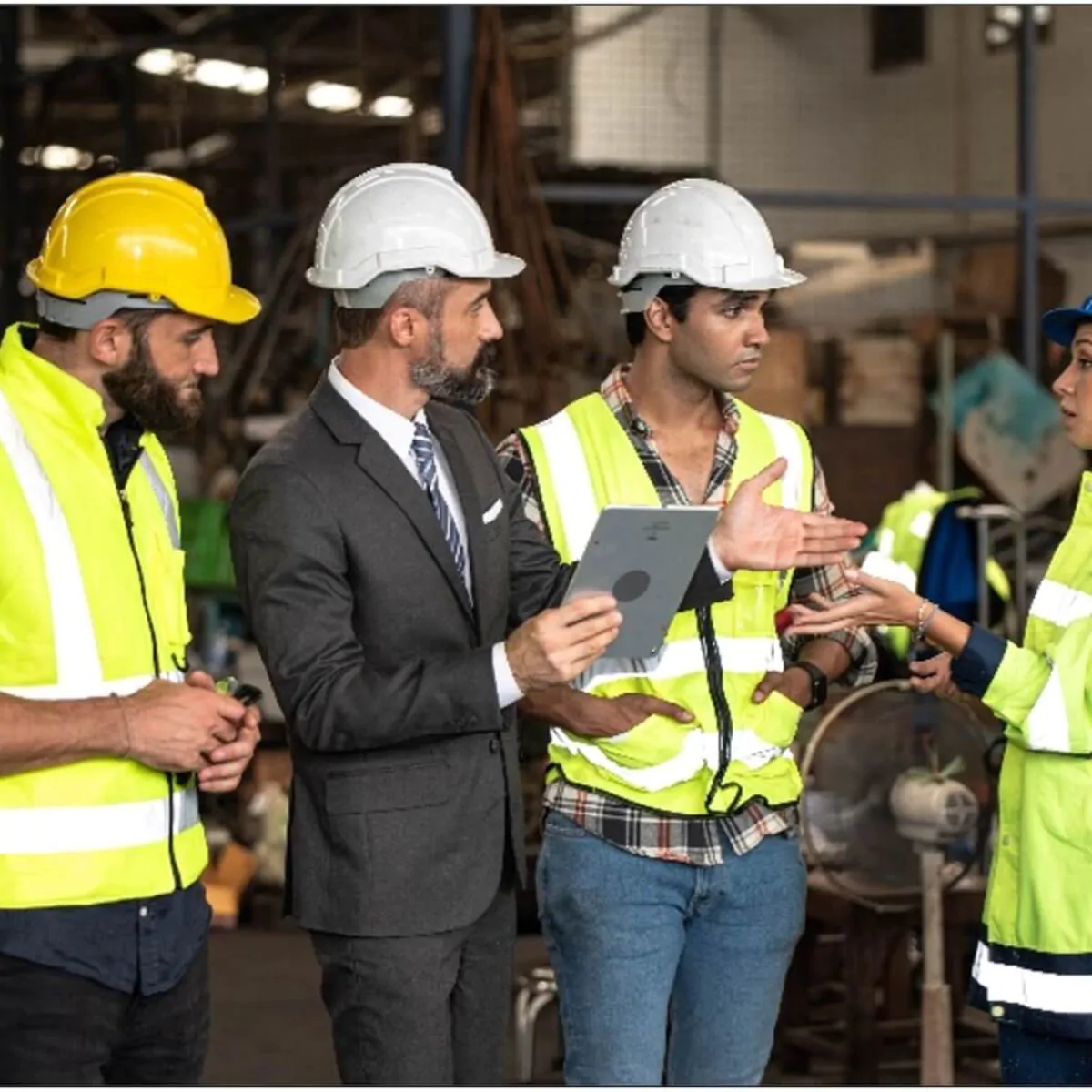
Transforming Risk Management: A Multi-Faceted Approach To Global Health And Safety Services
Risk management, which is commonly practiced in multinational organizations can be a bit fragmented. Different departments are able to manage risks employing different tools, and report to different committees, with diverse time frames and expectations of acceptable outcomes. Risks associated with operational operations are handled by the safety department. Risks to the financial sector are in the Treasury. Reputational risk exists in communications. Strategic risk lives in the boardroom. The silos continue to exist despite the overwhelming proof that risks don't conform to organisational charts. A workplace fatality is also a safety issue or financial loss, a reputational calamity, it is a strategic setback. The global approach to security and health services rejects the fragmentation. The approach insists on the fact that safety cannot be addressed in isolation from all other systems and factors which affect organisational life. It is not a matter of integration with safety tools and data and tools, but also safety thinking to every aspect of the organisational decision-making. This isn't just incremental improvement however it is a fundamental change.
1. Risk is Risk, regardless of Departmental Labels
The fundamental idea behind systematic risk control is that the label that is given to a risk has significantly less than its ability to cause harm to the organization and its staff. A risk of workplace injury, a risk of currency fluctuation, a risk disrupting supply chain logistics, and a chance of punishment from the regulatory authorities are all potential risks that, if taken into consideration are likely to have negative outcomes. Managing them in separate silos hinders their interconnection and prevents the integrated response that actual occasions require. Holistic services view every risk as a single portfolio, managed through consistent guidelines and easily accessible in one dashboard.
2. Security Data Informs Business Decisions Beyond Compliance
In organisations that are dispersed Safety data serves the same purpose: to show the compliance of auditors and regulators. Once the purpose is fulfilled the data goes unnoticed. Integrative approaches recognize that safety data can provide valuable insights beyond the requirements of. For instance, the high incidence rates in specific areas may point to larger operational problems. Near-miss patterns could reveal issues in the supply chain. The data on fatigue of employees could help predict quality issues. When safety information flows into enterprise risk management systems and risk management systems, it helps make decisions on anything from entry into markets capital investment to executive pay.
3. Consultants Must Understand Business, Not just safety.
The holistic approach requires a different kind or consultant. Not safety experts who must be knowledgeable about the business environment as well as business consultants who are experts in safety. They know profits margins, supply chains dynamics the labour market, labour relations markets, as well as competitive strategy. They translate safety insights into business-oriented language and link safety performance to business outcomes. When they offer recommendations on investments for loss of risks, they communicate using terms executives can comprehend like return on investment competitive advantage and stakeholder value.
4. Software Platforms Should Integrate Across Functions
Holistic risk management demands tools that cross functional boundaries. The safety solution must connect to ERP systems for planning and human capital management tools, supply chain visibility platforms and financial software for reporting. A serious incident triggers not just security responses, but also automated alerts to finance to set reserve levels and communications for crisis preparation as well as to legal for preservation of documents, as well as to the investor relations department for disclosure planning. The software allows for this integrated response by breaking down the silos of data which had previously hindered.
5. Audits Assess Systems, Not Just Compliance
Traditional safety audits examine the compliance of a particular requirement. Did the training take place? Is the guard on duty? Was the permit completed? In-depth audits evaluate systems -- the interconnected group of practices, policies, relationships, and technologies which determine how work gets done. They can be asked questions like How do the pressures of production affect safety decisions? Information flows are a way to enhance or derail risk-awareness? What is the role of incentive systems in shaping behavior? These systemic evaluations reveal the root causes that compliance audits never reach.
6. Psychosocial Risk Becomes Central, Not Peripheral
The holistic approach acknowledges that psychosocial risks, such as burnout, stress as well as harassment and mental health are not isolated from physical security but deeply intertwined. Workers who are fatigued make mistakes that can result in injuries. Stressed workers ignore warning signs. The stressed workers become disengaged, reducing the collective vigilance required to avoid incidents. Psychosocial risks are assessed by holistic services alongside physical risks, considering the whole person instead of dividing workers into physical bodies protected by security and minds guided by human resources.
7. Leading Indicators across domains forecast Safety outcomes
Holistic risk management recognizes the leading indicators that go beyond traditional boundaries. A higher rate of turnover in employees could indicate a decline in safety as skilled workers are replaced novices. Supply chain disruptions could indicate an increase in pressure on suppliers who cut corners in order to meet demand. Stress at the organization scale could result in a decreased funding for maintenance and education. By monitoring indicators across all domains, holistic solutions identify emerging risks before they are manifested as incidents.
8. Resilience is as important as compliance.
Compliance makes sure that known risks are properly managed. Resilience lets organizations be prepared for unexpected events when they occur. And unexpected events do happen. Holistic services build resilience by stress-testing the systems, conducting scenarios preparation across a range of risk dimensions as well as developing response capabilities to work regardless of what actually happens. A resilient company doesn't only adhere to standards; it grows, adapts and adapts to whatever the world is throwing at it.
9. Stakeholders' expectations drive Holistic Integration
The pressure for holistic risk management is increasing from the stakeholders who don't want unbalanced responses. Investors have questions about safety along with financial performance. they can tell when the two are handled in separate ways. Customers ask about labor conditions in supply chains, requiring union of procurement and security. Regulators are concerned about management systems, expecting evidence that security is integrated instead of appended. Community members are interested in environmental and social ramifications together, rejecting restrictive definitions of corporate responsibility. They see the whole. holistic solutions allow companies to respond to the totality.
10. The culture is the main control
Holistic risk management eventually recognizes that no control system however sophisticated it is, will be successful in a society that does not embrace it. Procedures will be bypassed. Data will be manipulated. The warnings are ignored. The greatest control is in the organization's culture, which is the shared values, assumptions and beliefs that influence how individuals behave in the face of no one else is watching. Holistic services assess culture, examine it, and help leaders develop it. They recognize that changing risk management ultimately involves changing how companies approach risk. And that this transformation is first a matter of culture before it is technical. The software assists in this and the consultants facilitate it however the culture is what sustains it, or is unable to. See the best health and safety services for more info including safety report, safety day, safety consultant, smart safety, safety website, safety meeting topics, job safety and health, health and risk assessment, safety topics, safety video and more.
